Archive | October, 2012

The Cambodia Roundup

30 Oct

The Statistics

Number of days spent in country –   4

Cities/towns visited – Siem Reap, Chong Kneas, Kompong Pluk

Number of different lodgings – 1

Flights – 0

Bus journeys – 1

Boat rides – 1

taxi  journeys – 1

Rickshaw rides – 7

Bike rentals – 1

Attempted extortion by border officials – 1

The Budget

Total US dollar amount spent –$ 348.60 including $40 in visa fees

Average cost per day, per person -$43.58

Average lodging cost per night, per person – $7

We only stayed at one place during our time in Cambodia – The Phrom Roth Guesthouse – $14 for a HUGE room with AC, private bath and wifi.  The only room they had was for 3 people and cost slightly more than we would have paid for a double room, but we arrived at night and didn’t want to waste a lot of time searching for a place in the dark.  We had already looked at a few other places in a similar price range, but this was easily the nicest.  They also had a FREE water re-fill service which saved us probably $8-10 during our stay so it worked out very well in the end.

Average food/drink cost per day, per person – $9.75  You can eat at anything from local street stands to very nice Western Restaurants.  Some days we spent $12 each on food, other days we spent $6.  We also drank a lot of beer here as there were .50 cent draughts all over the place.

The Best

Angkor Wat – This really goes without saying, but if you are in Siem Reap, this is what you are here to see.  This was my second trip and it was just as awesome as the first time, even with the HUGE increase in tourists.

Too many people to deal with pre-dawn…

FYI, if you want to get the classic reflecting sunrise shot at Angkor Wat, you will need to battle for your spot in the massive crowds that gather along the edge of the little reflection puddle.  We took one look at the mob and opted to go to the other side of the road, skipping the classic shot, but still seeing a lovely sunrise.

Breakfast at Temple Club – This was a pretty good deal for a hearty breakfast.  The cheese omlette is large and comes with a huge baguette, fried tomato, and a tiny little juice for $2.50.

Pumpkin curry from the local food stalls that line the market.

We heart cheap beer.

50 cent mugs of beer from most places in town.

Hammocks and beer.

If you rent a bike you can ride the 11 kilometers out to the boat launch for the incredibly touristy floating village Chong Kneas.  We rode out there, but didn’t end up taking the boat since we found what we consider to be a much better option for whiling away the afternoon.  All along the road before the village are little local restaurants where you can lounge about in a hammock with a beer and a great view of the rice fields.  With the bike you also get the chance to see the villages along the way.

The Worst

The border crossing at Poipet can be a pain in the ass.  If you pay in Thai Baht you are getting ripped off.  If you let someone buy your visa for you ahead of time you are getting ripped off.  If you pay the extra ‘fee’ the border officials ask for, you are being ripped off.  The visa costs – for US citizens at least – $20, payable in USD.  That’s it.  Don’t pay more. When we were asked for extra I smiled politely and shook my head ‘no’.   There is a ton of info about the crossing on the Lonely Planet Thorn Tree Forum as well as on Travel Fish so I won’t reinvent the wheel here.

We found the ‘tour’ of Kompong Pluk, a stilted village, to be a bit of a rip off.  The village itself is interesting enough to see, but it takes about 40 minutes in a tuk-tuk (about $15 round-trip) to get to the boat launch, then an hour in a little boat to get to the village itself.  We were taken around in the boat for about 20 minutes through the main town area, and then returned to the boat launch.  In the guidebook the price was listed as $8 per person, but when we arrived it had risen to $20 per person.  We balked at this and turned around to leave but it was low season so we ended up getting a ‘discounted’ price of $25 total.  It just wasn’t worth even the discounted cost for how little time you actually spend in the village, especially considering our boat guy didn’t say a single word to us the entire time.

Photo Friday – Bali Dragonfly

26 Oct

Last week we were checking out some of the exotic flowers here on Bali and we came across this friendly dragonfly.  He hung out on this flower, staying very still and cocking his little head at me while I took at least a dozen photos.  I got the distinct impression he was as curious about me as I was about him.  After I capped my lens he went about his business and eventually flitted away.

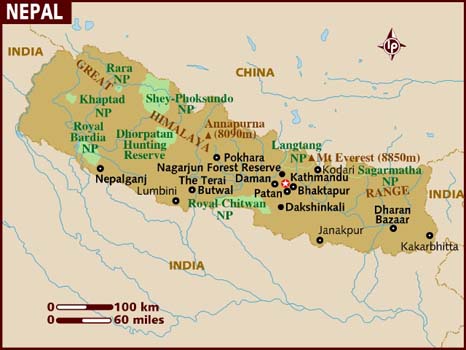
The Nepal Roundup

23 Oct

The Statistics

Number of days spent in country –  31

Cities/towns visited – Kathmandu, Bhulbule, Ghermu, Karte, Chame, Upper Pisang, Manang, Ledar, Muktinath, Kagbeni, Jomsom

Number of different lodgings – 16

Flights – 1

Bus journeys – 3

Taxi  journeys – 11

Rounds of antibiotics – Justin-1, Ashley-5

The Budget

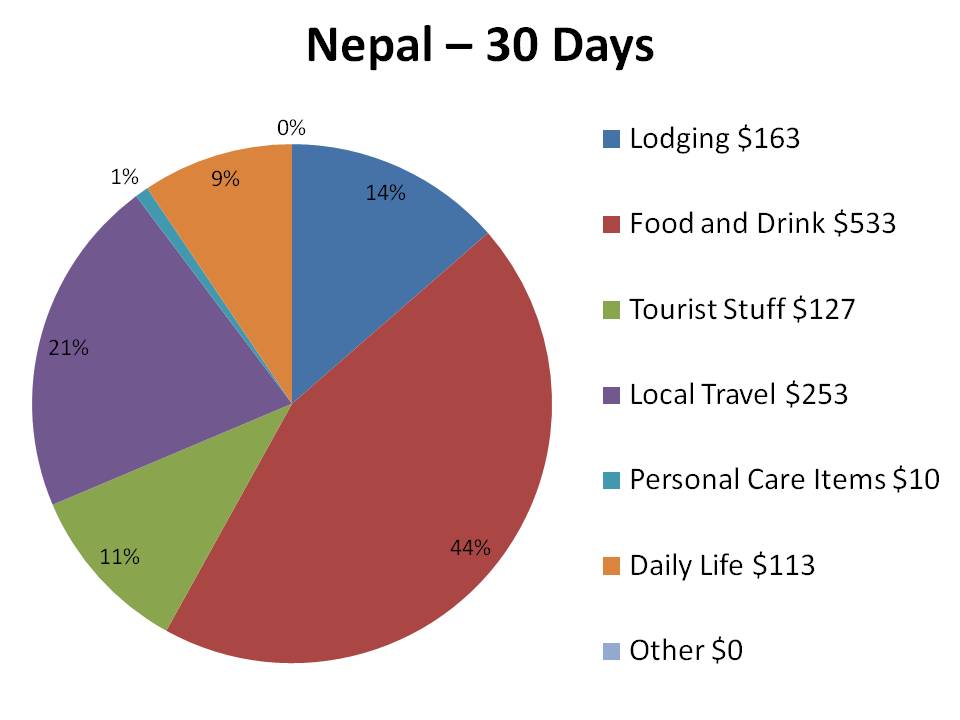
Total US dollar amount spent – $1289 including visa fees of $80 for the two of us and $188 for air tickets from Jomsom to Pokhara.

In addition, we incurred $1500 in hospital bills.  Our insurance paid for everything except the overnight fees, which were far more than the maximum covered amount of $50 per night that World Nomads provides.  We didn’t include that bill in the general roundup cost breakdowns since it was more than we spent otherwise for the entire month.  Incidentally, if you get very ill while in Kathmandu, the CIWEC clinic, just across from the British Embassy, is the place to be.  It’s clean and staffed with mostly Western doctors who speak a variety of languages.

Average cost per day, per person – $21.50 If you take the plane tickets out of the equation (you can take busses that will save you nearly the entire cost of the flight…though we felt the cost was WELL worth it considering how scary the bus rides were) that number drops to around $18.  If you only ate at cheap local places and really hunted for the most basic economic rooms, you could probably live on $12 per day.

Average lodging cost per night, per person – $2.70

Most expensive lodging, per person – $5.60 for a double room with bathroom and AC at the Karma Travelers Hotel in Kathmandu.  We booked this online specifically because they included an airport pickup and it was recommended in the guidebook.  We stayed only two nights before we found better, and cheaper accommodation elsewhere.

Least expensive lodging, per person –  $.56 for a double room with shared bath at the Hotel Nilgiri in Manang on our Annapurna Hike. This place had fantastic yak cheese and fresh bread for sale.

Average food/drink cost per day, per person – $8.90.  Breakfast was not included at any of our hotels and we generally ate three meals per day.  Accommodation is cheap on the Annapurna Circuit, but you spend quite a bit on food.  In Kathmandu we ate at more Western-style restaurants, which were more expensive, but it was what we were craving after 13 day of Dhal Baht on the trail. We had only four beers the entire time we were in Nepal as it was relatively expensive and we didn’t drink while trekking.

The Best

Rooftop at the Hotel Backpackers Inn

Hotel Backpackers Inn in Kathmandu – We stayed here for 2 nights before our trek, and then for two weeks afterwards.  We left our luggage there during the trek, including our computers, and there were no problems since they have lockers that you can store your valuables in and you are responsible for the keys. Pre-trek our room was $9 per night for a double room with a fan, private bathroom, TV, and wifi.  After the trek we negotiated a rate of $6.75 per night since we knew we were staying for longer than a few nights.  Prices would definitely be higher during peak season.  The managers were very kind and helped Justin with contacting the embassy for doctor recommendations when I was sick.

OR2K in Kathmandu – This restaurant has good Middle Eastern food, including a mezza platter that was big enough for Justin and I to split.  They also make really good salads.

Beef Noodles

Chinese (Sichuan) Restaurant next to Hotel Backpacker’s Inn in Kathmandu –  An excellent spot for a cheap meal, they have some hilarious menu translations that include things like ‘Tiger Skin Fry Pepper’ and ‘And Pulled A Red Leather’.  We ate a variety of things there, but our favorites were the Rice with King Pao Chicken and the Beef Noodles, which is a HUGE and delicious vat of soup.

Northfield Café in Kathmandu – Justin has a burrito problem.  This was the only place we had been in the last few months that served a burrito that was even close to what he wanted it to be like.  They have a good mix of food, nice outdoor seating, and live music every night.  It’s a little pricey, but that’s what you have to expect if you want passable Western food.

Monsoon season? I don’t see any monsoon!

The Annapurna Circuit – We dove right into this classic hike, despite the fact that it was the middle of the monsoon season and we were in no kind of shape for a trek this big.  It turned out to be one of the greatest experiences of our lives and I wouldn’t go back and change a single thing, leeches, blisters, dramatic meltdowns and all.  We met wonderful people, pushed ourselves harder than we thought possible, and fell in love with the spectacular scenery.  If you are in Nepal, make time for a trek, even if it’s a short one.

The insanity that is the backpacker area of Thamel in Kathmandu. You can buy just about anything here…

Shopping – We didn’t do much shopping here, partly because I didn’t have the energy after I was sick, and partly because we don’t have any room in our packs.  However, if you want cheap mountain gear, this is the place to be.  There are literally hundreds of stores selling knock-offs of everything you can imagine, from backpacks to down jackets, to sleeping bags and poles and water bottles and….the list goes on and on.  Certain things, like backpacks and boots, I’d be wary of since they won’t fit or function as well, but otherwise you can get some great deals here.  We rented knock-off sleeping bags for the trek (at a whopping .50 cents per day) and they were fantastically warm and comfortable.  We could have bought a down “North Face” sleeping bag for about $20. When we come back I’m going to arrive with an empty suitcase and just buy all my gear there.  Make sure you bargain, the first offer price is usually very ambitious.

The Worst
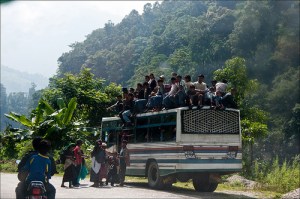
Typical crowded bus

The bus rides.  I mean, we thought we took some scary rides in S. America, but the rides in Nepal were literally the most terrifying experiences of our lives.  I am not kidding when I say that more than once I thought we might actually tumble down a cliff in one of these death traps on wheels.  In fact, according to some statistics (please know that in a place like Nepal the statistics are a bit vague, so don’t think these numbers are carved in stone…) there are over 1,500 deaths per year due to buses tumbling off the sides of the mountains.

On our bus from Kathmandu to Besi Shahar to start the Annapurna Circuit, we saw the wreckage of one bus that had already crashed down the cliff to the river below AND we passed a dump truck that had just started to go over the edge, fortunately it was only half off the cliff and I’m pretty sure that was only because the back end was full of rocks.

We took a smaller bus to another little town that same day and it was swaying back and forth as it tried to go up a tiny cliff-side road that was completely washed out in some places, and so muddy and rutted in others that the wheels were spinning and we were almost sliding backwards at one point.  The bus was completely overloaded with four people in seats made for two, and yet more people packed like sardines into the isle.  In addition, there was something like 15 people on the roof (which, as it turns out, might be the safest place to be since in a fall you can just fling yourself off the bus and hope for the best instead of tumbling all the way down the mountain inside it), along with everyone’s luggage, a goat, three or 4 baskets full of chickens and 8 or 10 full propane tanks.   I was having a visible panic attack at this point and a little boy next to us decided this would be the perfect time to pipe up and proclaim “This very danger part! Sometimes the bus fall down…”

We had a choice of transport – airplane or bus – to get us from Jomsom to Pokhara at the end of our trek.  We know a couple who opted for the bus route back to save money, and after one day they decided they would just walk for the next four days to get back rather than risk one more minute on the bus.  We went for the plane, which brings me to the second worst thing in Nepal.

Our itty bitty plane

The tiny 15-seater propeller airplanes that fly through the mountains – we took one of these from Jomsom to Pokhara to avoid two or three days worth of bus rides like the ones I just described, and it comes in a close second as far as scary moments go for us.

The flight in and of itself turned out not to be so bad, but the anticipation was pretty awful since we could see the wreckage of a flight that had crashed into the mountain right above the town just a few months before.

Not my favorite thing to look at while heading down the runway.

It freaked me out just having to look at it from the town, but when we got into the plane and I realized I could see it out my window as we were heading down the runway I just about lost it.  I’ve never had so many panic attacks as I did in Nepal.  The woman sitting behind Justin had a death grip on his shoulder and was praying vigorously the entire flight.  Still, given the choice between this and a bus, I choose this.

Photo Friday – Himalayan Horses

19 Oct

We’re getting ready to post our ‘Nepal Roundup’ early next week and we came across this snapshot while we were sifting through our Nepal photos.  These types of horse caravans carry everything from construction supplies to fresh eggs to some of the hardest to reach villages along the Annapurna Circuit.  The men who lead the horses walk beside them and direct them almost entirely with different whistling sounds.  On this particular day it was incredibly foggy and at times we couldn’t see more than 10 or 15 feet in front of us.  The horses wear bells to alert walkers to their presence and we heard this caravan for quite a while before we came out of the mist and almost crashed right into them!

Rediscovering Our Travel Style

16 Oct

Over the last two weeks, between bouts of lazing around on a variety of Indonesian beaches, I’ve had an overwhelming feeling of needing to do something.   Something we can’t do back home.  Something that will capture the essence of the foreign land we are in. The problem was that I couldn’t figure out quite what the something was.

photo by Jaymis on Flickr

Getting sucked into yet another guidebook…

In the last 6 months our travel has been faster paced than we are used to.  We’ve focused on visiting some really historical places, some of which we probably won’t get the opportunity to visit again, and we wanted to make sure we really used our time well.  The problem with this that we lost track of how we usually like to travel, which is slowly.  When I imagine a perfect day I see myself sitting at an outdoor café all afternoon just people-watching.  Or perhaps I’m wandering through the neighborhoods, checking out the houses, peeking into the local restaurants, or drifting around in the market.  This doesn’t mean I don’t also want to take a walking tour in a new city, or check out the museums and galleries, or hit up the famous towers and temples and churches, but I need there to be a balance between these different kinds of days.   Unfortunately, somewhere between dashing around to ancient holy places in Israel to making our way all over India by train and then being hospitalized in Nepal, we let ourselves get pretty unbalanced.

By the time we got to Thailand I was feeling some serious burnout.  Yes, that’s right, I was burned out on travelling, which is something I never really thought I’d say.  I’ve read about other long-term travelers having this problem, and I figured it would just take a few weeks of lazing around to get myself back together.  Having already been to Bangkok a few times, I didn’t feel too much pressure to go sightseeing, though there are a few sights I’d missed in my previous trips and we figured we’d hit up one or two of those so as not to seem like lazy travelers.  We ended up seeing none of them.  Instead, we spent our days eating absurd amounts of Pad Thai, having massages, and going to the huge and fancy movie theaters at the top of the big malls in the downtown area. Once or twice I’d feel a pang of guilt at not being motivated enough to do something more, but I justified it by reminding myself that it had only been two weeks since I had been released from the hospital so I really should just be taking it easy still.

As we made our way out of Thailand and into Cambodia, then back into Thailand and down to Indonesia, we felt a bit like we were on a huge pendulum, swinging back and forth between bouts of frantic ‘tourist stuff’ and complete sloth.  The thing is, with the exception of Angkor Wat, none of the ‘tourist’ stuff was really impressing us anymore.  There comes a point when you just get so templed and museumed out that you can’t imagine having to go to yet one more of them.  I know, these are not pressing issues compared to most of life’s problems, but it was unsettling because we felt like we should be enjoying ourselves more.  One of our problems was that the cost/interest level wasn’t balancing out.  In Cambodia we had paid something like $35 to go see a village built on stilts, but we both walked away feeling like we had totally wasted our time and our money.  $35 isn’t much by Western standards, but keep in mind that for us, that’s one half day’s allotment of our expenses.  We paid this to essentially be scooted along in a boat for 30 minutes through this village which, while interesting to see, just wasn’t $35 for 30 minutes interesting.

For nearly a month we tried really hard to figure this out because time and time again we simply weren’t feeling the love with our sightseeing choices.  What could we see that might re-energize us?  What could we do that would make us feel like we were getting our money’s worth out of the visit?

Eventually we gave up and just went to the beach.  I kept arguing with myself that we are all the way across the world, in this place that’s nothing like where we live usually, and we can’t find anything better to do than lay around at the beach?

Who wouldn’t want to lounge about here?!?!?

There are plenty of things you can do as a tourist here, but what we kept running into was that pesky cost/pleasure problem.  Do we really want to pay $200 to hike up a mountain at three in the morning to see the sunrise with 35 other people?  Do we want to pay $80 EACH to ride an elephant for 30 minutes (especially when the same thing costs $20 in Thailand where we just were)?  We neither dive, nor surf, so that takes away another chunk of options.  I get wildly seasick, so the boat trip to Komodo and Flores is a no-go.  We intended to go to Sulawesi, but that island is huge and we’d only have a few days there, which would definitely make us feel frantic and rushed.

I felt like I was losing my mind.  Here we have the trip of our lives and I already felt like we’d been lazy travelers in Thailand so I didn’t want to just waste time while we were in Indonesia.  Then, finally, it hit me.  This was the trip of OUR lives.  Ours.  Who said a ‘good’ trip is filled with non-stop sightseeing, especially if that’s not what you want to do?  There are other ways to experience a place, and they don’t all involve a tour guide or a rushed itinerary.  We totally knew this, but had somehow lost track of it along the way.  We started looking at our options through a different lens.

Why were we beating ourselves up over lounging on the beach when that’s something we love?  Colorado doesn’t have beaches with fabulous turquoise water, so it’s not like this is something we can do back home.  We decided to give ourselves 5 more days to explore the beaches around southern Lombok.  When we’re done with that we’re heading back to Ubud, in Bali, where we’ll take 5 or 6 days of introductory yoga classes and at least one cooking class.  In our spare time perhaps we’ll rent bikes and ride through the rice terraces, or maybe we’ll just find a lovely café and read.

It was incredible how much better we felt after that shift in perspective.  Making these decisions served to remind us, as we head into the next few months of travel, that this trip is for us and we will only be making the most of this time if we do things because we are interested in doing them, not just because they are in the guidebook under someone else’s list of ‘must see’ items to check off a list.

What are your favorite things to do when you travel to far away lands?

Photo Friday – Carved Figures in Cambodia

12 Oct

Ankgor Wat is undoubtedly the biggest tourist draw for the temples outside of Siem Reap in Cambodia, but there is so much more if you have a day or five to explore.  There are dozens of smaller temples in the surrounding area and most of them boast intricate carvings, some of which are very well preserved.  These particular figures can be found along the walls near the Elephant Gate, and we were fascinated by the different colors each figure had taken on despite the fact that they are all basically exposed to the same natural elements.  Some were simply grey as the stone they’d been carved from, others were shades of green and red.  Each figure is unique, and we spent nearly an hour wandering along the wall and inspecting the the details.

The India Roundup

9 Oct

The Statistics

Number of days spent in country –  33

Cities/towns visited – Mumbai, Aurangabad, Madgoan, Hampi, Mysore, Bangalore, New Delhi, Jodhpur, Pushkar, Jaipur, Agra

Number of different lodgings – 13

Flights – 1

Bus journeys – 20

Train trips – 10

Boat rides – 6

Taxi  journeys – 2

Rickshaw rides – 23

The Budget

Total US dollar amount spent – $1955 (includes cost of visas – $76 each)

Average cost per day, per person -$29.62

Average lodging cost per night, per person – $10.80 – We generally stayed in hotels with a private bathroom and air conditioning.  You can go much lower than this if you are on a budget, but we found that we couldn’t tolerate the lack of basic sanitation at lower price ranges.  On three occasions we splurged on much nicer rooms than we would normally take, mostly to have access to a nice pool.

Most expensive lodging, per person – $19.25 at the Welcome Hotel in Mumbai – double room with air conditioning, breakfast included, shared bath.  Not the best value, by far.

Least expensive lodging, per person –  $1.80 at the White Elephant in Hampi for a double bed bungalow with fan and private bathroom.

Average food/drink cost per day, per person – $8.18 We ate out for 3 full meals per day, mostly in local, but mid-range restaurants.  It was monsoon season and we were advised to stay away from most of the street food during this time.  We ate like royalty in this price range and you could definitely do it for less if you stuck with super cheap street food.  We had almost no alcohol in India, but if we had it would certainly have doubled our spending.

The Best

Hotel – Devi Bawhan in Jodhpur.  We stayed here for the weekend of our anniversary and while we intended to stay just one night because of the cost ($38 per night, which is a steal by Western standards and slightly cheaper than one of our hotels in Mumbai), it was so lovely that we ended up extending our stay to three days.  The hotel gardens were lovely, the rooms were very well appointed, large and clean with air conditioning that worked very well.  The pool was clean and chlorinated (not always the case with hotel pools).  The staff spoke excellent English and were kind and helpful.  It’s a little far out from the center so you must take a rickshaw to the tourist sites, but that made it a very peaceful stay.

All the food.  Seriously.  We just walked into restaurants that seemed busy and that had a price range we were comfortable with.  We ordered at random from the menu most of the time and generally the food was plentiful and delicious.

The Only Place in Bangalore – If you are craving some good ol’ American grub, this is the place to be.  They have burgers, lasagna, mac and cheese, and good apple pie.  The prices are tourist range, but the portions are big and the flavors will make you feel right at home.

The Mango Tree in Hampi – The view over the river in Hampi makes this spot stand out in our memories.  The food was consistently good, we ate here every day that we were in Hampi.  It’s a 5 minute walk outside of the main village area, but it’s not far, and it’s totally worth it.

Monsoon Mangos – Travelling during the monsoon season can be a pain.  Rain POURS in some places, and it’s hot as hell in other places.  One serious benefit of the monsoon is the abundance of delicious mangos that ripen in this period.  We gorged ourselves in Mumbai and Goa on fresh, juicy mangos that can be bought cheaply all over the place.

Mysore Palace – We’ve seen a lot of tourist sites, but this one is truly awesome.  The price is 300 times higher for tourists than for locals (the norm across India) and this is one time where it was completely worth it.  The palace is in excellent condition (no photography allowed inside, so you’ll have to take my word for it) and truly made us want to go back in time and live like Indian royalty.

Hampi – Filled with ancient temples and surrounded by a crazy landscape full of giant boulders, this turned out to be one of our favorite places in India.  The town is very mellow, the pace is super slow, but there is enough to do to keep you occupied for at least 3-5 days.  When you are all templed-out, you can rent a scooter and go zipping around the countryside to visit lakes and crazy rock formations.

Train travel – If you go to India and don’t travel by train then you are out of your mind. We took trains all over the place, everything from short 2 hour trips to long-haul 27 hour journeys.  For the overnighters we stayed in AC 3rd class, which was just fine, and on shorter trips we just went with the general non-ac standard sitting class, which was usually fine.  The trains were where we met the nicest people we encountered on our trip.  Whole families would strike up conversations, share their meals, and give us advice about where to go and what to see.  In addition, you get to see some gorgeous, and some not-so gorgeous, landscapes along the way.  You can book online using cleartrip.com (also a great resource just for checking schedules etc) but we mostly booked at the train stations using the foreign tourist counters.  In high season seats can book out as far as 3 months in advance, so be prepared to plan ahead.

The Worst

Hotel Empire International in Bengaluru – A decent location, and better priced than most things in the area, but overall a big pile of suck.  The hotel itself is generally run-down, and they lied to us about the type of room we were in – they were charging us for a ‘deluxe’ fan room even though we were placed in a standard fan room. We questioned the charges because the room didn’t seem to match their own description of ‘deluxe’ but we only knew for certain that we had been over-charged when we insisted on a room change after discovering ours had a roach infestation.  They tried to tell us they only had AC rooms left, but when we threatened to leave without paying they reluctantly changed our room to…surprise, surprise, a real ‘deluxe’ fan room.  We hadn’t been so blatantly deceived by a hotel until this point, and it left a very nasty impression.

Photo Friday – Offerings in Bali

5 Oct

We were fortunate to be touring temples in Ubud, Bali during a holiday based around the full moon (though the celebration only happens either twice per year, or once every seven months…we keep getting conflicting information).  The temples were packed with locals, the women dressed in brightly colored silks while the men wore crisp white shirts and patterned sarongs.   We hung around on the sidelines and watched dozens of women parade by, carrying the offerings – gigantic platters of fruits, roasted duck, and sweets – on their heads.

It’s The Little Things – Essential Items for Long-Term Travel

2 Oct

Photo by Natmandu on Flickr

Earlier today, as we were trying to avoid walking through a thick stretch of tourist market in Ubud, Bali,  we were talking about how light we feel without the need to have all the ‘stuff’ that we regarded as essential for our daily lives when we were in NYC.  Our priorities have obviously shifted, and as such, our essential items have also shifted.

When we began to gather our gear for this trip we spent a lot of time thinking about what would suit our needs best.  Our packs can only hold so many things, so we wanted to make sure that we weren’t filling the space with frivolous items.  We searched other long-term travelers’ packing lists and made lists of our own.  We bought, and returned what seemed like a million different items of quick-dry clothing.  We were even running around on the last day before we left trying to gather those last minute items that we had forgotten about.

A few months ago we finished posting our own packing lists in the hopes that others might find them useful.  Today we’d like to narrow those items down into a list of little things that, as long-term travelers, we have found to be the most useful over the course of the last year.

Cheap flip-flops – This might seem obvious, but if you plan on staying in dorms these are essential for avoiding foot plague and other nastiness in the common showers.

Packing cubes – I never really understood these, but now that we pack up and move every few days I see that they are a huge lifesaver.  Nearly everything in our packs goes into a cube, and then the cubes go into our bags in a jigsaw-like manner to maximize space.  It makes it so that we can each get packed, empty to full, in just a few minutes.

Small combination lock– Again, this might seem obvious to some, but we’ve used our locks for everything from hostel lockers, to just locking our bags every day when we leave our rooms (we lock the laptops, etc inside them).  Sure, people could slice the bag open to get to our stuff, but it prevents opportunistic theft.  We also carry a little package of zip ties that we’ve used to secure smaller bags when we’ve had to leave items with a hostel (like when we go on multi-day treks).

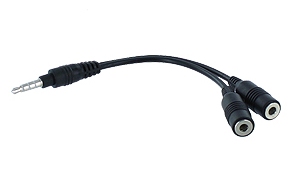
Headphone splitter – Sometimes we want to just have a night in to be ‘normal’ and watch a movie.  These allow us to watch movies together on one laptop.

Quickdry towel – This is not my favorite item (it’s like drying yourself with a chamois), but has been one of the most useful.  We’ve stayed in many places, mostly in S. America, that didn’t provide towels, so these were essential.  In addition, when we hand-wash clothes we find that they dry more quickly when you wring them out in a towel, and these towels not only absorb tons of water, but they dry in only a few hours.

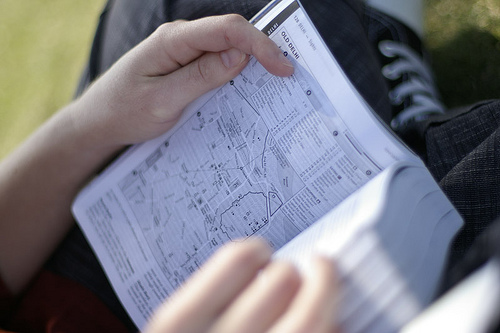
Smartphone – We brought Justin’s phone with us, even though we cancelled his plan (and it doesn’t use a SIM card so we can’t use it for calls), because we use it for an alarm clock, emergency wi-fi,  and GPS.  If we connect to wi-fi we can download maps of our destinations, which is incredibly helpful when you arrive in a new city and aren’t exactly sure where to go.  It was also essential in India where they don’t always announce train stops…without this we definitely would have missed some of our stops!

Multi plug thing – This is one of those plugs that allows you can charge 3-4 things at once.  With two laptops, two I-pods, two kindles and two cameras this allows us to make sure we’re always charged up and ready to go, even if we get a room with only one outlet.  It’s important to just get a two-pronged plug unless your voltage adapter allows for grounded plugs.  No need to go fancy with this, we picked ours up at a hardware store for less than a dollar.

Sleep sheet – We never would have expected it, but this has turned out to be one our most useful, non-clothing item on this trip.  They are made to be used when a place lacks sheets, has questionable cleanliness, or to put inside a rental sleeping bag.  We’ve used them for all these purposes, but also for loads more, including – warmth on long, cold, bus rides; as sarongs when we need to enter temples in Bali; as beach towels (they are huge, so your whole body fits on them!); and as a laundry bag.

As a counter to our favorite items, we figured we should include some of the crap we didn’t need after all:

Money belts – Justin doesn’t carry a wallet, so that solves his pick-pocket problem.  We do have an Eagle Creek money belt that we really like, and he used to wear it on the long bus rides in S. America, but honestly, we haven’t used it in at least 5 months.  We keep it around just in case. I had a more traditional money belt, and again, I used it once or twice on overnight bus rides, but other than that it just sat in my pack and wasted a little bit of space.  I got rid of this after 6 months.

Pacsafe – We got it ‘just in case’.  We NEVER used it.  We sent it home after 6 months..

Ethernet cord – In some places this might be a good idea, but we’ve found that most places have wi-fi, and if they don’t, they don’t often have wired internet either.  Not a huge waste of space, but totally unnecessary.

Tell us, what are your ‘must-have’ travel items?